The reset button for your gums
Scaling and root planing — the 'deep clean' — reaches below the gumline to remove the hardened bacterial deposits that drive gum disease, then smooths the root surfaces so healthy tissue can reattach.
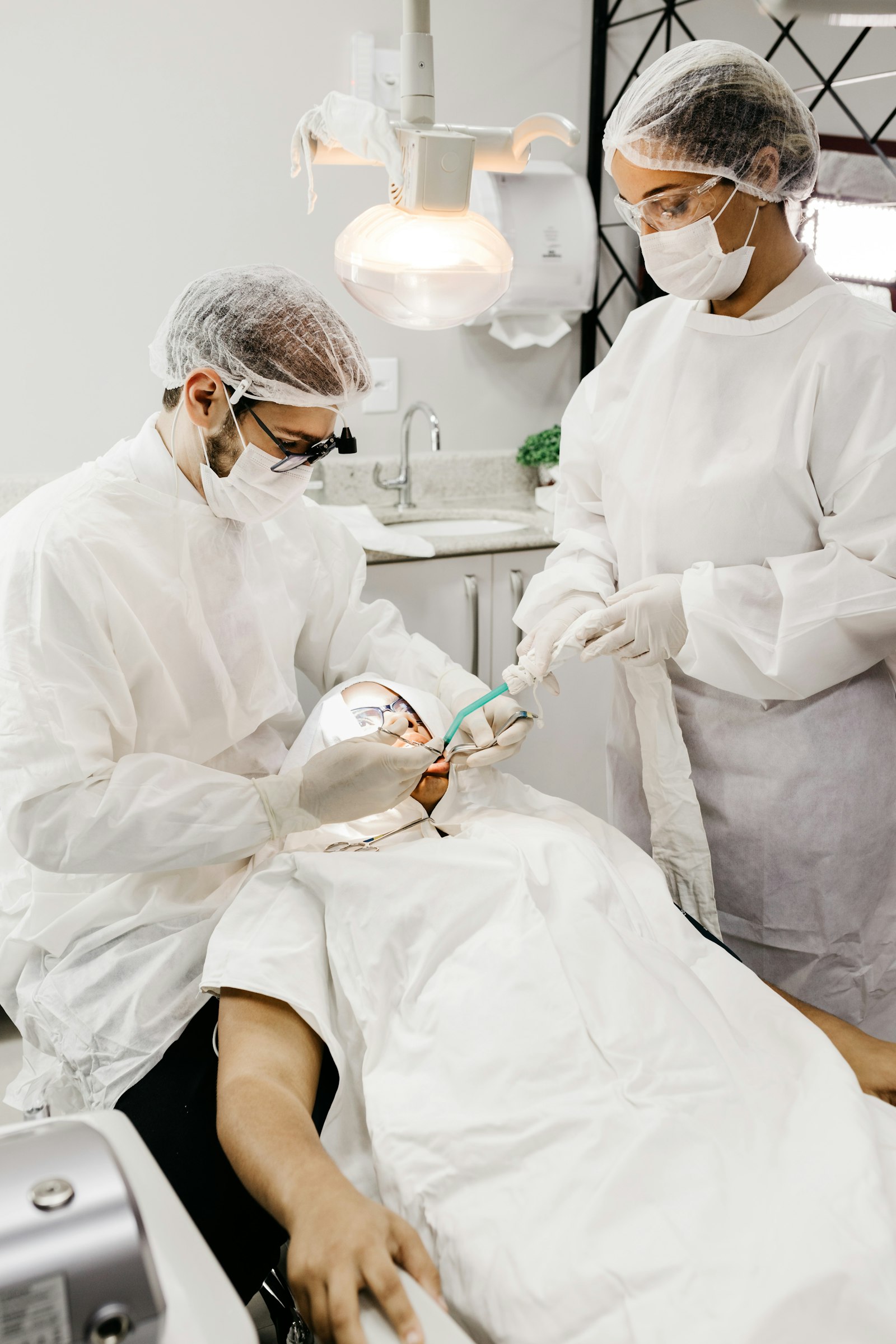
Deeper than any toothbrush
When plaque hardens into tartar below the gumline, no amount of home brushing can remove it — and every day it stays, it inflames the tissue around it. Scaling removes these deposits with fine ultrasonic and hand instruments; root planing then polishes the root smooth, giving bacteria nowhere to grip.
We treat comfort as part of the procedure, not an afterthought: local anesthetic on request, warm water, and treatment split across visits if that suits you better. Most patients are surprised how uneventful it is — and how much calmer their gums feel within weeks.
- Ultrasonic + hand instrumentation
- Local anesthetic freely available
- Split visits if you prefer
- Measured, verified improvement
Benefits at a glance
Treats the true cause
Removes the subgingival deposits that keep gums chronically inflamed.
Genuinely comfortable
Numbing, warm water, and pacing on your terms — this is not the ordeal you fear.
Visible results
Less bleeding, tighter gum tissue, and fresher breath, typically within 2–4 weeks.
What to expect
We anesthetise the treatment area so you feel pressure at most.
Ultrasonic and hand instruments lift tartar from below the gumline, tooth by tooth.
Root surfaces are smoothed and the area irrigated to calm the tissue.
A follow-up visit verifies pocket depths are shrinking — proof the treatment worked.
Questions, answered
Is scaling and root planing painful?+
With local anesthetic, you'll feel vibration and pressure but not pain. Mild tenderness for a day or two afterwards is normal and fades quickly.
How is this different from a regular cleaning?+
A routine cleaning polishes above and just at the gumline. Scaling and root planing works several millimetres below it, inside the pockets where gum disease actually lives.
Will I need it more than once?+
Usually one full course, then maintenance cleanings at 3–4 month intervals to keep bacteria from recolonising. If pockets persist in isolated spots, we'll target just those areas.
Ready for a smile you love showing off?
Booking takes less than a minute. New patients, families, and nervous smiles are all warmly welcome — evenings and weekends included.